
Last Updated: October 25, 2026
Quick Summary
Scar camouflage healing follows predictable phases over three months, with pigment appearing darker initially and lightening 20-40% as swelling resolves. Most people see their true healed result by month three, though the process involves initial swelling, scabbing, and gradual pigment stabilization.
- Pigment peaks in darkness at 12-24 hours, then lightens significantly as swelling goes down
- Scabs shed naturally between weeks 3-6 while pigment continues to lighten and stabilize
- Most scars require multiple sessions spaced 6-8 weeks apart to build color and refine results
- Aftercare directly impacts pigment settling, so skip swimming, saunas, and intense exercise for weeks 2-6
- What you see at week one is not your final result, avoid panicking until month three
Table of Contents
- Understanding Scar Camouflage Healing Stages
- Scar Camouflage Aftercare Essentials
- How Many Sessions for Scar Camouflage Results
- Frequently Asked Questions
Understanding Scar Camouflage Healing Stages
Scar camouflage healing isn’t a straight line. Paramedical tattooing deposits pigment into the dermis, and your body treats it like a wound, so week-one pigment looks darker and more saturated than it will in six months. Normal.
The American Academy of Dermatology notes skin heals in overlapping phases: inflammation, proliferation, and remodeling. Scar camouflage healing follows that same timeline, and knowing the difference between surface healing and full pigment settling keeps you from panicking at week two.
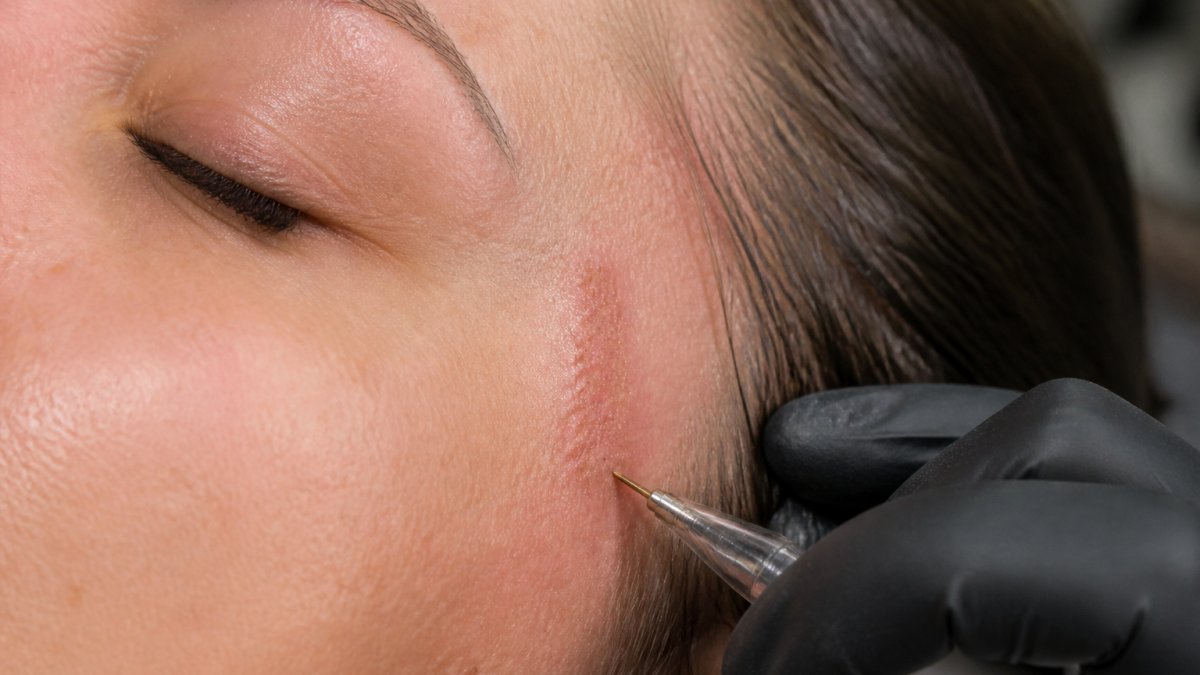
First 48 hours: swelling peaks at 12-24 hours, pigment very dark, light oozing normal. Weeks 1-2: redness fades, pigment still intense, scabbing possible, skip friction and prolonged moisture. Weeks 3-6: scabs shed naturally, pigment lightens as swelling resolves. Months 2-3: pigment stabilizes and most see their true healed result by month three.
Key insight: what you see at week one is not your final result. Pigment lightens 20-40% as swelling resolves. Many panic at week two, love it by month three.
To understand how paramedical artistry differs from traditional tattooing, check out what paramedical artistry involves.
Scar camouflage healing follows predictable phases as your body processes the tattooed pigment.
| Phase | Timeline | What Happens |
|---|---|---|
| Initial | First 48 hours | Swelling peaks, pigment very dark, light oozing normal |
| Early | Weeks 1-2 | Redness fades, pigment still intense, scabbing possible |
| Mid | Weeks 3-6 | Scabs shed naturally, pigment lightens as swelling resolves |
| Stabilization | Months 2-3 | Pigment stabilizes, true healed result visible by month three |
Scar Camouflage Aftercare Essentials
Aftercare directly impacts how well pigment settles and how even your final result looks.
First 24 hours: keep it clean and dry, skip makeup and lotions, wear loose clothing. Days 2-7: cleanse gently with unscented soap, pat dry, apply aftercare sparingly, no swimming, saunas, intense exercise, or sun. Weeks 2-6: use SPF 30+ once fully healed, avoid friction, don’t pick or scratch.
The Wound Care Society emphasizes that proper moisture balance and sun protection are critical during the remodeling phase.
Avoid: chlorine and salt water, direct heat, retinoids, rough fabrics, smoking. Biggest mistake: resuming your full skincare routine too fast, your skin just took controlled trauma and needs simplicity. If you’re looking to support your skin’s healing with professional treatments once fully recovered, services like Hydra Facial and Nanoinfusion Facial can help restore hydration and skin health down the line, but always wait until your artist gives the all-clear.
Compare scar camouflage with other scar treatment options to see why aftercare differs from laser or surgical approaches.
How Many Sessions for Scar Camouflage Results
Most scars need more than one session. Not failure, it’s how paramedical artistry works. Session one builds base color; follow-ups refine.
Why multiple sessions: the first tests how your skin holds pigment, pigment fades 10-30% in three months, and layering improves color match. Typical timeline: session 1 for base pigment, first touch-up 6-8 weeks later, second touch-up 3-4 months after if needed.
The American Society of Plastic Surgeons notes that paramedical tattooing outcomes improve with staged treatments because each session allows assessment of pigment retention and skin response.
Factors affecting session count: scar depth and texture, skin tone and undertone, pigment retention, aftercare, scar location. Deeper, textured scars need more sessions; darker skin needs more precision to match undertone. If you’re exploring Scar Revision & Camouflage as your treatment path, your artist will map out a realistic session plan based on your specific scar characteristics.
Understand the investment required for your treatment plan so you can decide on sessions and timing.
Scar camouflage healing takes patience, but your skin heals on a biological timeline that doesn’t rush. By week three you’ll see the difference; by month three you’ll know if you need refinement.
If you’re ready to explore whether scar camouflage is right for your scars, book a consultation. They’ll walk you through your healing timeline and how many sessions you actually need.
Frequently Asked Questions
How long does scar camouflage healing take before I see final results?
Scar camouflage healing takes about 2-4 weeks for surface recovery, but pigment settling and color stabilization continue for 4-6 weeks or longer. The treatment area will look noticeably darker initially, then lighten and blend as healing progresses. Final results typically emerge around 6-8 weeks post-procedure, though individual healing varies based on skin type, scar location, and aftercare adherence.
When can you tattoo over a scar for camouflage treatment?
A scar must be fully healed, typically 12-18 months old, before scar camouflage treatment can be applied effectively. Newer scars are still remodeling and may not hold pigment well. Paramedical tattooing works best on mature, stable scar tissue where the skin structure has settled and pigment retention is predictable. Your practitioner will assess scar maturity during your consultation.
How many sessions for scar camouflage are usually needed?
Most clients need 2-3 sessions spaced 4-8 weeks apart to achieve optimal color matching and coverage. The first session establishes baseline pigment and tests how your skin accepts the treatment. Follow-up sessions refine color, adjust for any fading, and build depth and dimension. Some scars require additional touch-ups depending on pigment retention, skin characteristics, and desired coverage intensity.
