
Last Updated: October 24, 2026
Quick Summary
A restorative skin consultation maps out what’s actually going on with your skin and what’s possible through a thorough discussion of your skin history, a detailed skin assessment, medical review, and a personalized treatment plan tailored to your specific concerns and goals.
- Your esthetician reviews your skin history, current concerns, and what you actually want to achieve.
- The skin assessment evaluates type, texture, hydration, firmness, blemishes, sensitivity, and any conditions like eczema or psoriasis.
- Medical history including medications and past procedures is covered to determine treatment compatibility.
- You receive a personalized treatment plan with realistic outcomes, downtime expectations, and session frequency.
Table of Contents
- How to Prepare for a Restorative Skin Consultation
- What Happens During Your Restorative Skin Consultation
- Key Skin Consultation Questions to Ask
- Frequently Asked Questions
How to Prepare for a Restorative Skin Consultation
A restorative skin consultation maps out what’s actually going on with your skin, and what’s possible.
Start with your skin history: what you’ve tried, what worked, what made your skin angry. Include surgeries, injuries, skin conditions, and your current routine, the good, the bad, the midnight desperation buys.
Think about lifestyle too, sun, smoking, sleep, stress, diet all show up on your skin. That context is what separates real recommendations from generic ones.
What Happens During Your Restorative Skin Consultation
Your consultation starts with listening. A qualified esthetician asks about your skin history, current concerns, and what you actually want, not small talk, the foundation for everything after.
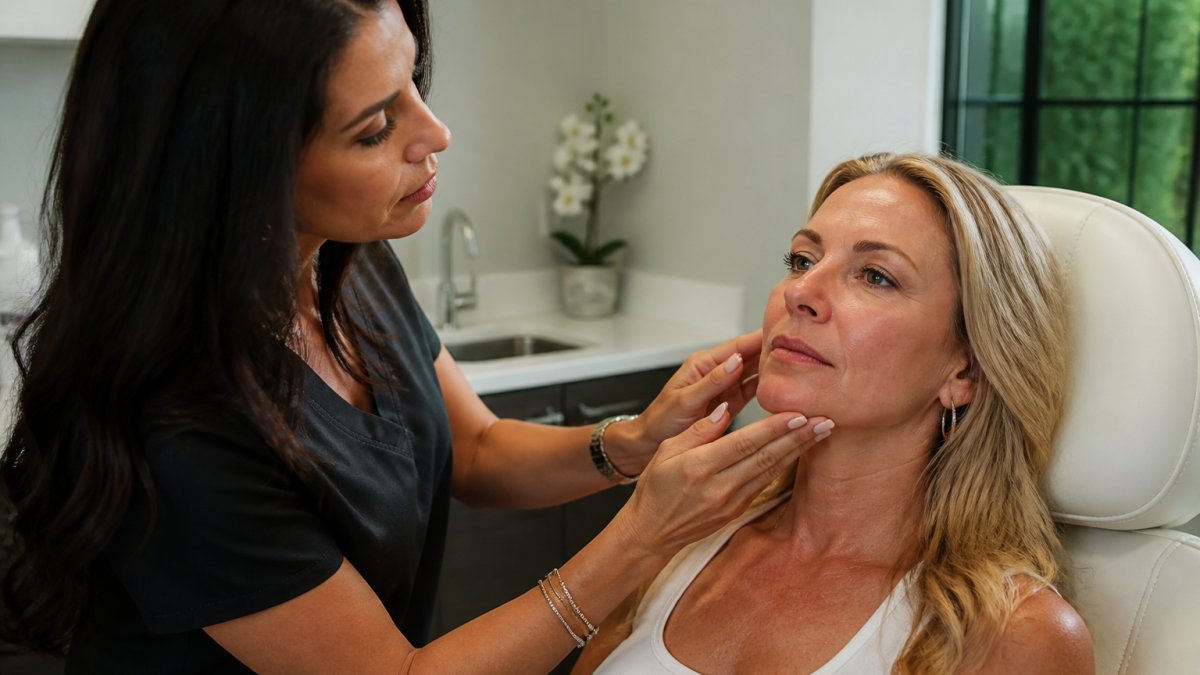
Next comes the skin assessment: type, texture, hydration, firmness, blemishes, sensitivity, conditions like eczema or psoriasis, what’s there now and what’s changed. At GloVolution, this informs whether you’re a candidate for specific treatments like Scar Revision & Camouflage, restorative tattooing, advanced facial protocols like Hydra Facial or Nanoinfusion Facial, or body treatments.
You’ll also cover medical history, medications, contraindications, past procedures. Some treatments aren’t compatible with certain conditions or meds.
Then comes a personalized treatment plan: steps, duration, realistic outcomes, downtime, and whether you need one session or a series.
Here’s what unfolds during a typical restorative skin consultation.
| Consultation Stage | What Gets Covered |
|---|---|
| Initial Discussion | Skin history, current concerns, and your actual goals |
| Skin Assessment | Type, texture, hydration, firmness, blemishes, sensitivity, conditions |
| Medical Review | Medications, contraindications, past procedures |
| Treatment Plan | Steps, duration, realistic outcomes, downtime, session frequency |
Key Skin Consultation Questions to Ask
Ask about credentials. Licensed esthetician? Certified in your specific treatment? For paramedical artistry like scar camouflage or restorative tattooing, certification matters. A lot.
Ask what results to expect, not promises, real outcomes. What does improvement look like for your concern? How long until you see it? What’s the follow-up timeline?
Ask about safety and consent: privacy protection, sanitation protocol, what happens if you’re not happy. Knowing the answers builds trust.
Ask about aftercare. What do you do after treatment? Which products should you use or avoid? How often do you return for maintenance or follow-up?
Frequently Asked Questions
What should I bring to a restorative skin consultation?
Bring a list of current medications and supplements, photos of any past treatments or results you liked, and a list of skin concerns or goals you want to discuss. If you’re considering scar camouflage or paramedical work, bring photos of the area you want treated. Wear minimal makeup so your skin can be assessed clearly.
How do I know if I’m a candidate for restorative tattooing?
During your consultation, the esthetician will review your medical history, skin condition, and specific concerns. Restorative tattooing candidacy depends on factors like skin health, realistic expectations, and the nature of what you’re treating, whether that’s areola restoration, scar camouflage, or brow definition. Your practitioner will be honest about whether the treatment suits your goals.
What questions should I ask during a restorative skin consultation?
Ask about the treatment timeline, what results you can realistically expect, how many sessions you might need, aftercare requirements, and how the practitioner will customize the approach to your skin type. If you’ve had procedures before, ask what makes their method different. Discuss any concerns about scarring, sensitivity, or past reactions to treatments.
A restorative skin consultation is the moment you stop guessing and start planning. You walk in with your concerns. You walk out with clarity. Book your restorative skin consultation when you’re ready to see what’s actually possible for your skin. GloVolution combines clinical expertise with genuine care to create a plan that works for you, not against your skin.
