
Last Updated: October 26, 2026
Quick Summary
Signs of infection after nano brow shading include excessive warmth and heat, pus or unusual discharge, worsening swelling, red streaks or spreading redness, and fever or flu-like symptoms. Watch for these warning signs beyond normal healing, which includes mild redness and swelling in the first 24 hours.
- Persistent heat that doesn’t cool down after a few hours signals inflammation and infection
- Red streaks or redness that expands beyond the treated area requires attention
- Fever or flu-like symptoms indicate your body is fighting infection
- Scabbing and flaking during days 2-7 are normal; don’t pick or rub
- Most scabbing is gone by days 7-14 as pigment settles
Table of Contents
- 5 Signs of Infection After Nano Brow Shading
- Nano Brows Healing Process: What’s Normal
- Nano Brows Aftercare Essentials to Prevent Infection
- Frequently Asked Questions
5 Signs of Infection After Nano Brow Shading
Nano brow shading breaks the skin barrier, so infection risk is real. Here are the five signs of infection after nano brow shading.
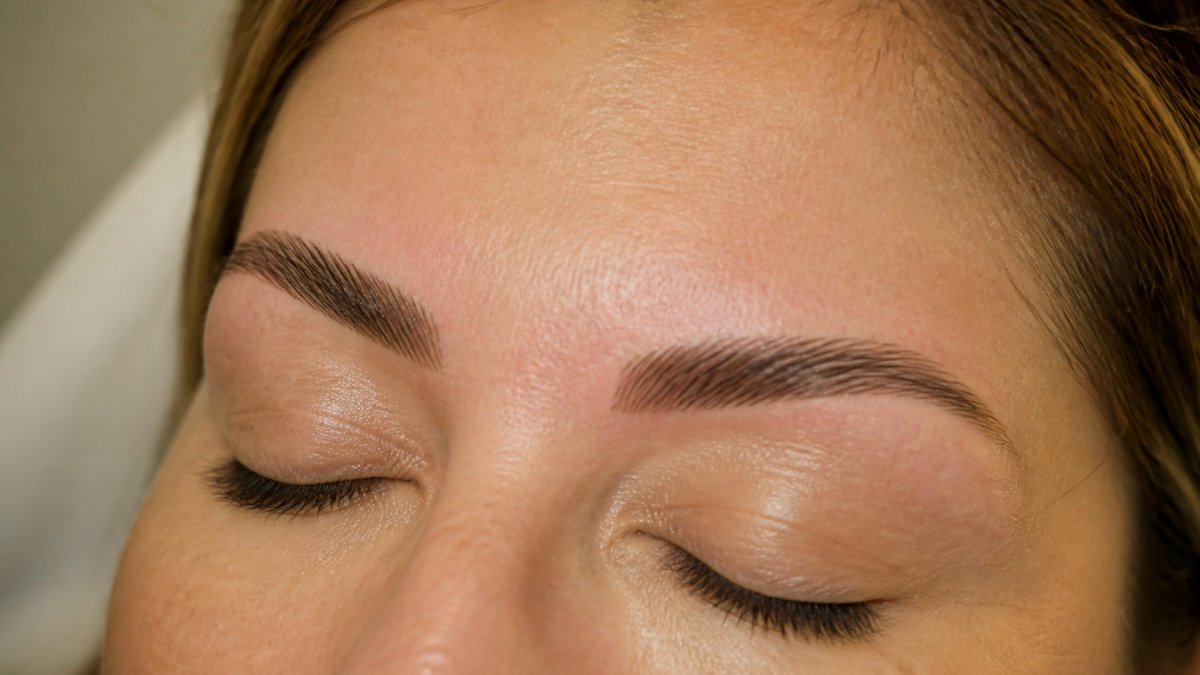
1. Excessive Warmth and Heat
Persistent heat that doesn’t cool down after a few hours signals inflammation, your body is likely fighting an infection.
2. Pus or Unusual Discharge
3. Swelling That Gets Worse
4. Red Streaks or Spreading Redness
5. Fever or Flu-Like Symptoms
Watch for these five warning signs that your nano brows may be infected. Explore your options if infection or other issues occur with your permanent makeup.
| Sign | What It Means |
|---|---|
| Excessive warmth and heat | Persistent heat signals inflammation and infection |
| Pus or unusual discharge | Abnormal fluid from the brow area |
| Swelling that gets worse | Increasing puffiness beyond normal healing |
| Red streaks or spreading redness | Redness that expands beyond the treated area |
| Fever or flu-like symptoms | Body-wide signs of infection response |
Nano Brows Healing Process: What’s Normal
First 24 hours: Brows look darker and more defined; mild redness, swelling, and tenderness are expected.
Days 2-7: Scabbing and flaking begin, brows may look patchy, normal. Don’t pick or rub. Learn what’s normal during nano brows healing so you can spot the difference between typical recovery and warning signs.
Days 7-14: Most scabbing is gone and brows look lighter as pigment settles.
Weeks 2-4: Healing is largely complete and brows reach their final look.
Nano Brows Aftercare Essentials to Prevent Infection
Book an appointment with our team to discuss your nano brow concerns.
Frequently Asked Questions
What are the signs of infection after nano brow shading?
Infection signs include excessive redness that spreads beyond the brow area, warmth or heat radiating from the skin, pus or unusual discharge, swelling that worsens after day three, and tenderness that intensifies rather than improves. Fever, red streaks extending from the brow, or lymph node swelling also warrant immediate attention. Normal healing involves mild redness and slight swelling in the first 24-48 hours that gradually subsides.
How long does the nano brows healing process typically take?
Nano brows typically heal in 7-14 days, though complete pigment settling takes 4-6 weeks. The first 24 hours involve the most redness and swelling. By day three, scabbing and flaking begin. Days 5-7 show the most noticeable scabbing. After two weeks, the brow area appears mostly healed, but the pigment continues to settle and may look lighter than expected until fully healed. Following proper nano brows aftercare during this window is critical to prevent complications.
What should I do if I suspect an infection after nano brow shading?
Contact your brow artist first if symptoms appear within the first few days, they can assess whether the reaction is normal or concerning. If you develop fever, spreading redness, pus, or worsening swelling after day three, see a doctor or visit urgent care. Do not attempt to treat infection at home with over-the-counter products without professional guidance. Describe your nano brow shading procedure and timeline so the healthcare provider understands the context. Early intervention prevents complications.
