
Table of Contents
- Can Lip Blushing Fix Asymmetry?
- Lip Blushing vs. Lip Fillers for Asymmetry
- Lip Blushing Healing Process and Color Retention
- Lip Neutralization for Dark Lips and Hyperpigmentation
- Frequently Asked Questions
Last Updated: September 2, 2026
Can Lip Blushing Fix Asymmetry?
Lip blushing for uneven lips isn’t a magic eraser, but it can create the illusion of balance in ways that surprise most people. The procedure uses semi-permanent pigment to add depth, definition, and color to your lips, and when done strategically, it redistributes visual weight to make asymmetry less noticeable.
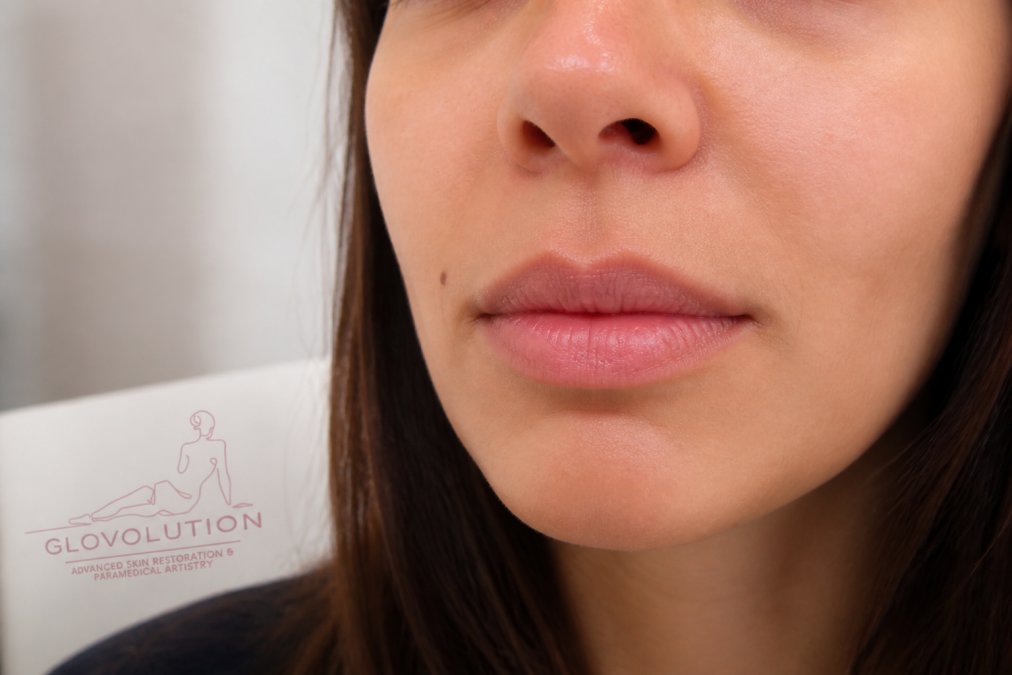
Here’s what actually happens: if one side of your lip is thinner or sits slightly higher, a skilled artist can use pigment placement and shading to create the appearance of symmetry. It’s not fixing the underlying structure, your lips are still your lips, but it’s reframing how they read visually. The soft shading technique used in lip blushing is particularly effective because it builds dimension that draws the eye where you want it.
Severe asymmetry caused by nerve damage, significant volume loss, or structural differences might need more than pigment can deliver.
Lip blushing can minimize the appearance of asymmetry through strategic pigment placement and soft shading, but it works best for mild to moderate unevenness. Severe structural asymmetry may require additional treatments.
Lip Blushing vs. Lip Fillers for Asymmetry
The choice between lip blushing and lip fillers comes down to what you’re actually trying to fix. Fillers add volume and can physically reshape your lips by filling in thinner areas. Lip blushing addresses color, definition, and visual balance through pigmentation and shading.
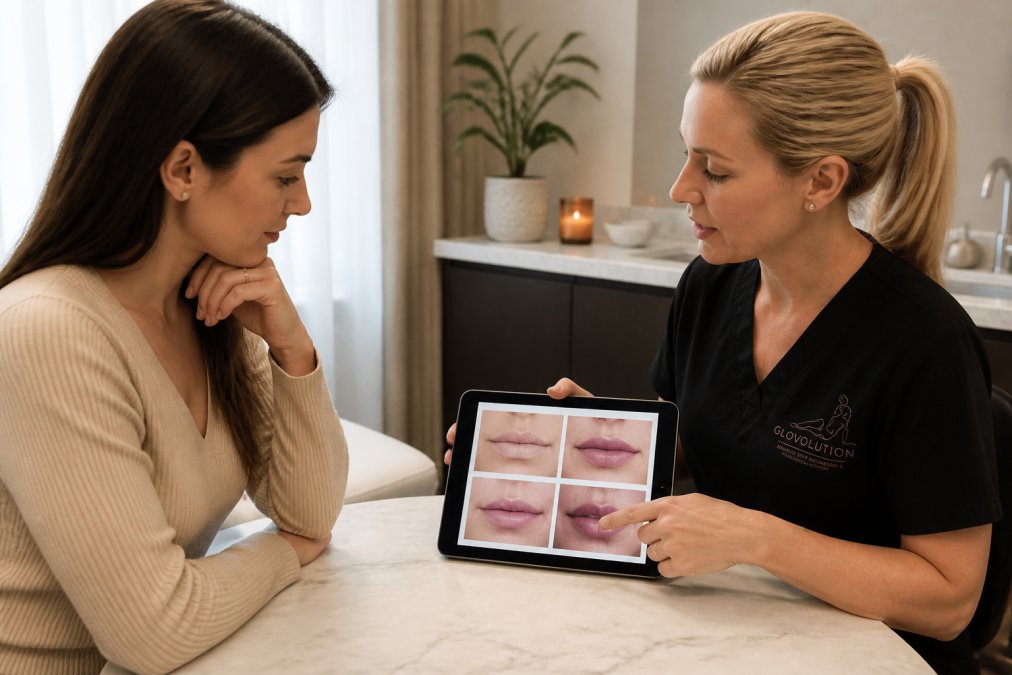
If your asymmetry is mostly about one side being darker or less defined, lip blushing wins. If one side is noticeably thinner or has lost volume, fillers are your answer. Some people benefit from both: fillers to equalize volume, then blushing to add color and definition on top.
| Approach | Best For | Duration | Maintenance |
|---|---|---|---|
| Lip Blushing | Color correction, definition, mild asymmetry | 2-3 years | Touch-ups every 18-24 months |
| Lip Fillers | Volume, structural balance, severe thinness | 6-12 months | Reinjection as filler breaks down |
| Combined | Complete asymmetry correction | Varies | Staggered touch-ups |
Fillers fade completely over time, so you’re back to baseline. Lip blushing fades gradually, allowing you to adjust the look at touch-up appointments without starting from scratch.
Lip Blushing Healing Process and Color Retention
Your lips will look darker and more saturated for the first 5-7 days due to initial inflammation. By day 10-14, the true color emerges as swelling subsides. By week 3-4, you’ll see the settled result, typically 30-40% lighter than the initial appearance.
Color retention depends on your skin’s natural turnover rate, sun exposure, and how your body metabolizes the pigment. Most people see their lip blushing fade to 60-70% of the original intensity by year two, which is ideal, it allows for natural refresh at touch-up appointments without building up excess pigment over time.
Avoid direct sun exposure, lip balms with active ingredients, and exfoliating treatments for at least 2 weeks post-procedure. UV exposure accelerates pigment fading and can cause uneven color loss.
Lip Neutralization for Dark Lips and Hyperpigmentation
If you have naturally dark lips or previous permanent makeup that came out too dark, lip blushing can help through color neutralization. Hyperpigmentation often appears as uneven blotching or a shade darker than your natural lip tone. Using the right pigment shade can neutralize the darkness, cooler-toned or nude pigments can visually “cancel out” warm or overly dark undertones, similar to how color theory works in makeup.
This technique is useful for melasma, post-inflammatory hyperpigmentation, or previous permanent makeup that didn’t age well. Most people need 2-3 sessions to dial in the right shade and coverage. Instead of adding saturation, you’re using pigment placement to redistribute visual weight and correct color cast.
Lip blushing for uneven lips works best when you understand what it can and can’t do. It’s not a structural fix, but it’s a powerful tool for creating visual balance through color, definition, and strategic shading. At GloVolution, we specialize in corrective lip blushing that accounts for your unique lip anatomy and asymmetry pattern. Book an appointment to discuss whether lip blushing is the right approach for your specific situation, or if combining it with other treatments makes sense for your goals.
Frequently Asked Questions
Can lip blushing actually change the shape of my lips?
Lip blushing uses pigment placement and soft shading to create the illusion of fuller, more symmetrical lips, but it doesn’t add volume or physically change your lip shape. The procedure works through color and definition along the lip border and vermilion area. If you have significant volume loss or severe asymmetry, lip fillers or dermal filler combined with lip blushing often produces better results. A consultation can show you what’s possible with your specific lip anatomy.
How long does the lip blushing healing process take?
Healing typically takes 7-10 days for initial scabbing to resolve, though full color stabilization can take 4-6 weeks. During healing, avoid hot foods, aggressive lip products, and direct sun exposure. The pigment will look darker initially and fade as the skin heals. Color retention depends on your skin type, sun exposure, and aftercare, some clients need a touch-up session after 4-6 weeks to refresh faded areas or adjust the shade.
Is lip blushing safe if I have very dark or hyperpigmented lips?
Lip neutralization for dark lips is possible, but it requires careful pigment selection and mapping technique. A skilled artist uses cooler or neutral-toned pigments to counteract hyperpigmentation and create a more balanced lip tone. However, if your lips are extremely dark or you have a history of keloids or sensitivity, you may not be a good candidate. A professional consultation can assess your lip tone, skin type, and healing history to determine if the procedure will work for you.
This article was written using GrandRanker