
Table of Contents
- Why Look Beyond Slay Confidently for Paramedical Artistry?
- What Sets GloVolution Apart in Paramedical Artistry
- Key Questions for Your 3D Areola Restoration Consultation
- What to Expect During the Scar Camouflage Healing Process
- Frequently Asked Questions
Last Updated: September 6, 2026
Why Look Beyond Slay Confidently for Paramedical Artistry?
Finding the right practitioner for restorative work takes more than a quick search. Paramedical artistry blends advanced pigment implantation with skin physiology, trauma recovery, and aesthetic correction. Many women searching for a Slay Confidently alternative want a provider who pairs technical certification with genuine, trauma-informed care.
The search often begins after a significant life event: breast cancer treatment, major weight loss, or an accident that left visible scarring. A consultation should feel like a partnership, not a sales pitch.
Most importantly, verify credentials. Professional certification in paramedical tattooing requires specific training beyond standard cosmetic work. Ask about their experience with your particular concern, request to see a portfolio of healed results, and confirm they follow strict hygiene standards. The American Academy of Micropigmentation standards outline the level of training and safety protocols that distinguish qualified practitioners from those with minimal experience.
What Sets GloVolution Apart in Paramedical Artistry
GloVolution approaches restorative work through clinical skincare combined with artistic precision. Every treatment plan starts with an assessment of your skin’s condition, history, and long-term goals. The focus rests on collagen stimulation and skin health, not just pigment placement.
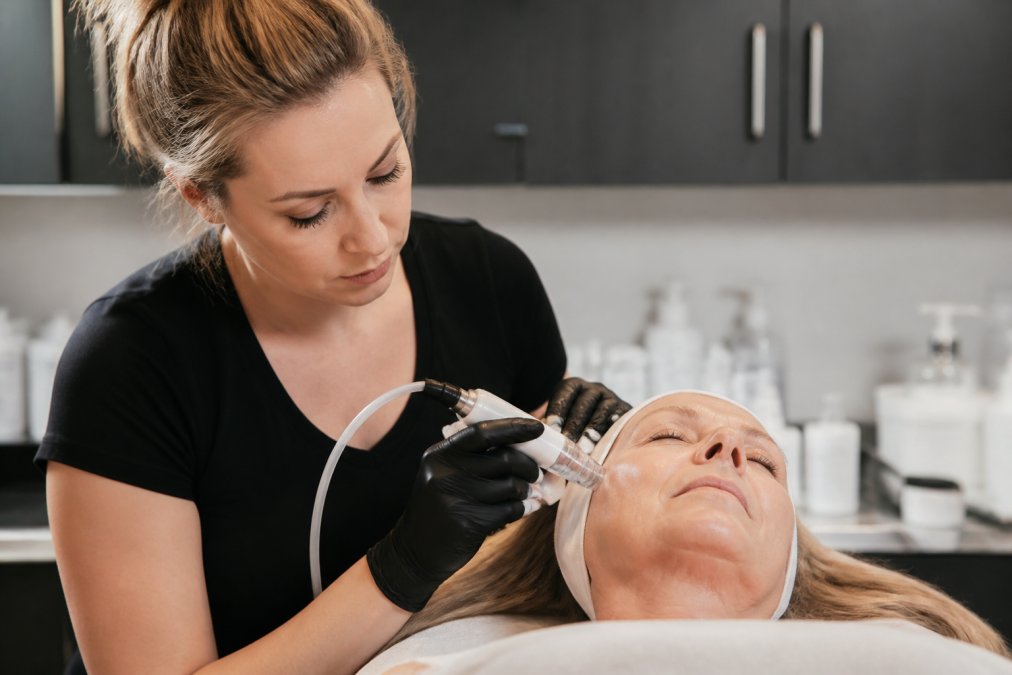
Treatment plans address scar tissue texture, color matching across uneven skin tones, and the delicate nature of post-surgery skin. For women in their 40s and beyond, the approach accounts for hormonally shifting skin that heals differently. Complementary options like 3D Hyperrealism Areola Restoration and Scar Revision & Camouflage are offered alongside skin-rejuvenating treatments such as Rezenerate and Nanoinfusion Facial to support overall skin health before and after restorative work.
What many providers miss is the emotional component. The goal is to help you feel at home in your skin again, whether camouflaging a scar or reconstructing an areola after mastectomy recovery. That requires patience, compassion, and moving at your pace.
Key Questions for Your 3D Areola Restoration Consultation
Your first consultation sets the foundation for everything that follows. Arriving prepared helps you evaluate both technical skill and approach to care.
Start with the practical details. Ask how many areola restoration procedures they have completed, request to see healed results from clients with similar skin tones and surgical histories, and inquire about their sterilization protocols. The Society of Permanent Cosmetic Professionals guidelines recommend confirming that your practitioner uses single-use needles and medical-grade pigments. You should also ask about numbing options and how they manage sensitivity around scar tissue.
The artistic side matters equally. Areola restoration demands mastery of color theory and three-dimensional shading. Ask how they plan to match your existing areola or create symmetry. Discuss pigment retention on compromised skin, as surgical scars absorb color differently. A skilled artist will walk you through their layering approach and set realistic expectations. Trust your instincts, the right practitioner welcomes questions.
What to Expect During the Scar Camouflage Healing Process
The scar camouflage healing process follows a predictable arc, but experiences vary based on scar age, location, and your body’s healing response. Immediately after the procedure, the treated area appears darker and more defined than the final result. This is normal, the pigment sits in the upper dermis and softens as the skin regenerates.
During the first week, expect redness, minor swelling, and tightness. Keep the site clean and avoid soaking it. Let scabs fall off naturally, as picking can pull out pigment. Avoid strenuous exercise that causes heavy sweating for the first several days.
Color evolution is the phase that surprises most people. Around week two or three, the pigment may appear to fade significantly or look uneven as the skin renews itself. This is not a sign that the treatment failed. The pigment settles deeper into the skin over the following month, and the true color emerges gradually. The National Institutes of Health resources on wound healing explain that individual healing rates vary widely based on factors like age, nutrition, and overall health. A touch-up session is typically scheduled eight to twelve weeks after the initial treatment to refine color and address any areas where pigment did not retain evenly.
Do not judge the final result during the first month. The color you see in the first week is not the color you will keep. Making decisions about additional work before the skin fully heals can lead to overcorrection and unsatisfactory results.
Long-term color retention depends on sun protection. Scar tissue and implanted pigment fade faster with UV exposure, so daily sunscreen on treated areas is non-negotiable. Many women find results look best after the full healing cycle, typically around the three-month mark.
| Stage | What to Expect | Key Action |
|---|---|---|
| Days 1-3 | Redness, slight swelling, dark pigment | Keep area clean and dry |
| Days 4-10 | Scabbing, some flaking | Let scabs fall off naturally |
| Weeks 2-4 | Pigment appears faded or patchy | Avoid sun exposure |
| Weeks 8-12 | Color settles, skin fully heals | Schedule touch-up session |
The pigment you see on day one is not your final result. Give your skin the full twelve weeks to heal before evaluating the outcome, and protect the area from sun throughout the process.
Choosing a provider for restorative work is deeply personal. Whether exploring scar camouflage, 3D areola restoration, or other forms of paramedical artistry, the right practitioner combines verified technical skill with genuine understanding of what brought you there. Look for someone who treats the whole picture, your skin, your history, and your emotional readiness.
Frequently Asked Questions
How does 3D areola restoration differ from standard cosmetic tattooing?
3D areola restoration is a specialized form of paramedical artistry focused on recreating a natural-looking areola after surgery. Unlike standard cosmetic tattooing, it uses advanced shading, color blending, and light reflection techniques to mimic the skin’s natural texture and dimension. The goal is restorative, helping you feel whole again. During your consultation, ask about the artist’s experience with post-surgical tissue and request to see a portfolio of healed results.
What should I look for when choosing a paramedical tattoo artist?
Look for verified paramedical tattoo certification requirements, which include specialized training in scar tissue, color theory, and skin tone matching. Ask about their experience with procedures similar to yours, like scar camouflage or areola restoration. Review their portfolio for natural-looking results on diverse skin tones. Confirm they follow strict hygiene standards and clinical safety protocols. A consultation should feel thorough and compassionate, addressing your concerns about the healing process and expected outcomes without promising perfection.
What is the difference between scar camouflage and scar revision?
Scar revision refers to surgical or clinical procedures that alter the scar’s physical structure. Scar camouflage is a non-surgical paramedical tattooing technique that implants pigment into the scar tissue to blend its color with the surrounding skin. It addresses discoloration and helps flatten the visual appearance of the scar, improving texture over time. The scar camouflage healing process is minimal, but it’s important to follow aftercare instructions to ensure the best pigment retention.
Restoring how you see yourself after surgery, scarring, or significant body changes takes courage. At GloVolution, we combine certified paramedical tattoo artistry with clinical-grade skin restoration to help you feel whole again. Our personalized consultations focus on your unique skin, your healing journey, and natural-looking results that last. Book an appointment to begin your restoration with a team that understands what this means to you.