
Table of Contents
- What Paramedical Tattooing Actually Is
- RestorativeInk vs Specialized Paramedical Clinics: Side-by-Side
- Paramedical Tattoo Healing Process and Aftercare
- Scar Camouflage Consultation Questions You Should Ask
Last Updated: August 20, 2026
What Paramedical Tattooing Actually Is
Paramedical tattooing is restorative work, it’s about restoring what was lost or damaged, not changing how you look. Whether you’re dealing with surgical scars, areola reconstruction after breast surgery, or scar camouflage from trauma or acne, paramedical tattooing uses pigment implantation to blend, rebuild, or recreate compromised tissue. It sits at the intersection of clinical precision and artistic skill, which is why finding the right provider matters.
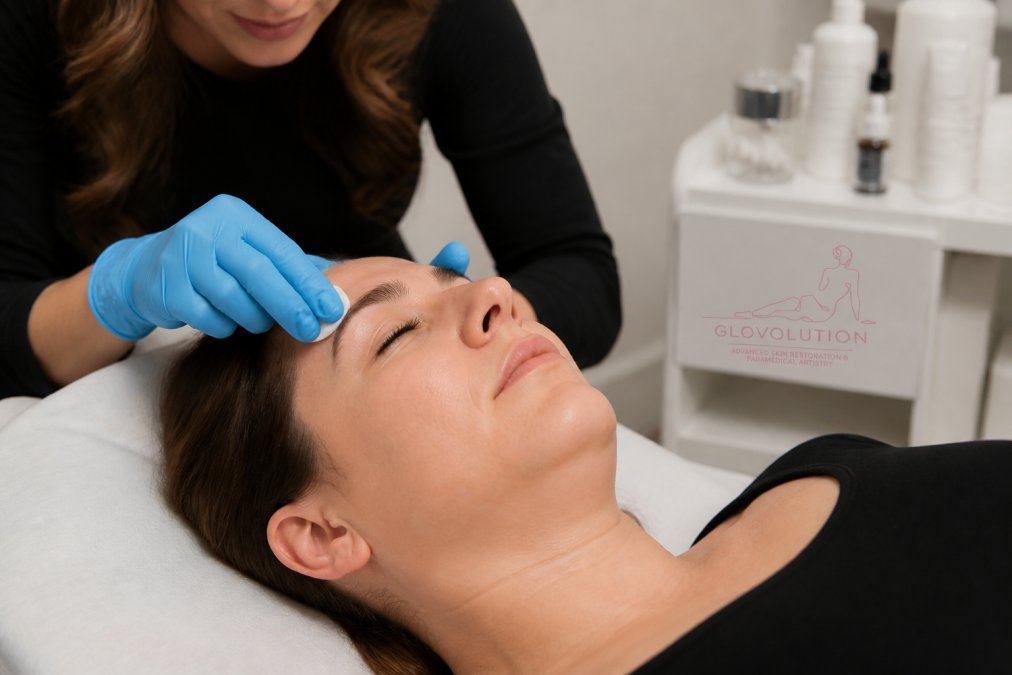
The distinction between paramedical and cosmetic tattooing is important. Cosmetic permanent makeup focuses on aesthetic enhancement like nano brows or lip blushing. Paramedical work addresses medical or reconstructive needs, healed tissue, irregular skin texture, discoloration, and the psychological weight of visible scars or missing features. That requires different skills, different pigments, and a provider who understands both dermal layers and the emotional landscape their clients navigate.
At GloVolution, this distinction shapes everything, from how we assess your skin undertones to how we select pigments for scar camouflage or 3D hyperrealism areola restoration. The goal isn’t transformation. It’s restoration.
RestorativeInk vs Specialized Paramedical Clinics: Side-by-Side
The comparison between RestorativeInk and specialized paramedical clinics comes down to philosophy, expertise, and what you’re paying for.
RestorativeInk positions itself as an accessible option for scar camouflage and basic paramedical work. They focus on color theory and blending techniques to match surrounding skin.
Specialized paramedical clinics, including GloVolution, treat paramedical tattooing as clinical restoration. That means skin analysis before pigment selection, understanding how your undertones interact with different pigment loads, assessing whether your scar tissue is stable enough for tattooing, and building a treatment plan that accounts for how pigment behaves in healed tissue over time.
| Aspect | RestorativeInk | Specialized Clinics |
|---|---|---|
| Initial Consultation | Basic assessment | Comprehensive skin analysis with undertone mapping |
| Pigment Selection | Standard color matching | Custom formulation based on dermal layer and undertones |
| Scar Assessment | Visual inspection | Evaluation of tissue stability, texture, and healing status |
| Aftercare Protocol | Standard instructions | Personalized post-operative care tied to your skin type |
| Training Focus | Technique and artistry | Clinical anatomy, color theory, and tissue behavior |
| Best For | Clients seeking basic scar blending | Clients seeking clinical-grade restoration with long-term results |
A specialized clinic asks: Is your scar tissue stable, or will continued remodeling affect pigment placement? What’s your skin’s undertone, warm, cool, or neutral, and how does that change pigment perception? Are you prone to hyperpigmentation during healing? These questions determine whether your results hold up in six months, a year, or five years.
RestorativeInk’s approach works for straightforward cases, but if your scar is complex, your undertones are difficult to match, or you’re dealing with post-surgical reconstruction, the clinical assessment of a specialized clinic pays for itself in better outcomes.
Paramedical Tattoo Healing Process and Aftercare
The healing process for paramedical tattooing is more nuanced than standard tattoo healing because you’re working with compromised or surgically altered tissue.
Week 1-2: Initial Inflammation
Your body treats pigment implantation as controlled trauma. You’ll see redness, mild swelling, and possibly slight oozing, this is normal. Keep the area clean, avoid water submersion (showers are fine, but skip baths and pools), and resist picking or scratching. Any disruption can displace pigment or introduce infection.
Week 2-4: Scabbing and Peeling
Light scabbing is expected as your body encapsulates the pigment. Do not pick at scabs; they’re protecting the work underneath. When scabs fall away naturally, color may look lighter or patchy. This is temporary. The pigment is still settling into the dermal layer.
Week 4-8: Pigment Stabilization
By week four, visible healing is largely complete, but pigment is still integrating. Colors will appear more muted than immediately after the appointment, this is normal. True color emerges around week 8. Avoid direct sun exposure during this window; UV exposure can fade results prematurely.
Aftercare Essentials
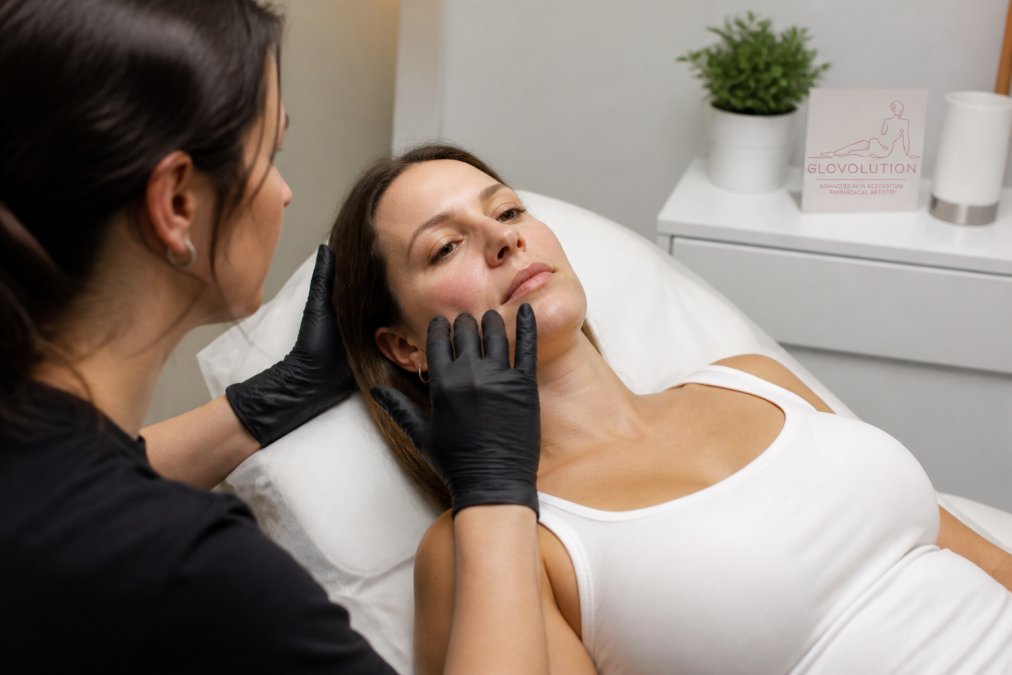
Your aftercare protocol depends on your skin type and the specific procedure. A specialized paramedical clinic provides personalized instructions, not generic guidelines. If you have sensitive skin, a history of keloid formation, or are prone to hyperpigmentation, your aftercare will differ from someone with resilient skin. This is why the initial consultation matters.
Scar Camouflage Consultation Questions You Should Ask
Walking into a consultation unprepared leaves you vulnerable to generic recommendations. Ask these questions before committing.
"How will you assess whether my scar is ready for tattooing?"
Not all scars are suitable for immediate paramedical tattooing. If your scar is still actively remodeling, which can happen for 12-18 months after surgery or injury, tattooing too early means pigment placement will shift as tissue changes. A qualified provider will evaluate tissue maturity, texture, and stability.
"What’s your process for matching my skin undertone to the pigment?"
Your undertone, whether your skin leans warm, cool, or neutral, directly affects how pigment appears once healed. A provider who assesses your undertone is doing the work. If they’re eyeballing it or using a standard shade for everyone, that’s a red flag. Custom pigment formulation based on your specific undertone is the difference between camouflage that blends and work that’s obviously tattooed.
"What happens if the pigment fades unevenly or the color shifts?"
Pigment behavior in healed tissue is unpredictable. A provider should explain their touch-up protocol, what’s covered under their aftercare guarantee, and what you can realistically expect in terms of maintenance.
"How many sessions do you typically recommend for my specific scar type?"
Some scars need one session. Others benefit from layering, multiple appointments spaced weeks apart to build depth and ensure even coverage. A provider who automatically recommends one session for everyone isn’t thinking clinically.
"What’s your training and certification in paramedical tattooing?"
Paramedical tattooing requires different knowledge than cosmetic permanent makeup. Ask about specific training in scar camouflage, color theory for healed tissue, and dermal anatomy. Certifications from recognized paramedical organizations indicate clinical study.
"Can I see before-and-after photos of scars similar to mine?"
Ask specifically for cases that match your situation. Generic before-and-afters don’t tell you much.
Choosing between a basic service and a specialized paramedical clinic comes down to what you’re willing to invest in your results. A quick scar camouflage might get you partway there. A clinical approach, one that accounts for your skin type, undertones, scar maturity, and long-term pigment behavior, gets you to a place where you actually feel restored. GloVolution’s approach combines certified paramedical artistry with clinical-grade assessment, so your scar camouflage or areola restoration isn’t just aesthetically matched, it’s built to last. Book An Appointment for a personalized skin strategy session and see what restoration actually looks like.
Frequently Asked Questions
How long does a paramedical tattoo last?
Paramedical tattoos typically last 3-7 years before fading or requiring a refresh. Longevity depends on pigment quality, skin type, sun exposure, and the specific technique used. High-quality pigments from brands like Perma Blend are formulated for superior retention. Many clients choose refresh appointments every 2-3 years to maintain color vibrancy and definition, especially for scar camouflage and areola restoration where precision matters most.
What should I look for in a paramedical tattoo clinic's credentials?
Verify that artists hold certifications in paramedical tattooing from recognized training programs and maintain current liability insurance through providers like MediSpaCover. Ask about their training in color theory, skin anatomy, and sterile technique. Request to see a portfolio of healed work, not just fresh applications, since healed results show true color retention and blending quality. Specialized clinics should be able to explain their aftercare protocols and answer detailed questions about pigment safety and biocompatibility.
Is paramedical tattooing considered a medical procedure?
Paramedical tattooing exists in a clinical space but is not classified as a medical procedure by most state regulations. However, it requires clinical-grade sterile technique, anatomical knowledge, and often takes place in medical aesthetics settings. Some procedures, like areola restoration after mastectomy, are performed for reconstructive purposes and may be covered under specific insurance circumstances. Always work with a certified artist in a clinical environment who follows FDA guidelines for pigment safety and infection prevention.
What makes scar camouflage consultation questions so important?
During a scar camouflage consultation, the right questions reveal whether the artist understands your specific scar type, skin undertones, and healing stage. Ask about their approach to color matching, how they'll blend the tattooed area with surrounding skin, and whether they recommend other treatments first (like microneedling or laser). Understanding their process for assessing scar depth, texture, and hypopigmentation ensures they'll create realistic, natural-looking results rather than just covering the scar with ink.
How does areola restoration best practices differ between clinics?
Top specialized clinics use 3D hyperrealism techniques, which layer multiple pigment shades to create depth and dimension that matches natural areolas. They assess skin undertones carefully and use color theory to ensure the restoration ages gracefully with your skin. Best practices include pre-treatment skin assessment, precise needle depth control, and detailed aftercare instructions. Clinics that specialize in post-mastectomy or breast augmentation work understand the psychological importance of this procedure and provide trauma-informed care throughout the healing process.
This article was written using GrandRanker