
Table of Contents
- What Aging Skin Actually Needs (And Why Most Routines Fall Short)
- Medical-Grade Skincare Ingredients That Deliver Real Results
- Prescription vs Over-the-Counter Skincare: What the Difference Means for You
- Building a Dermatologist-Recommended Anti-Aging Routine
- Clinical Skincare for Aging Skin: When At-Home Products Aren’t Enough
- The Psychological Impact of Skin Aging (And Why It Matters Clinically)
- Clinical Skincare and Cosmetic Procedures: How They Work Together
- Conclusion
Last Updated: August 12, 2026
What Aging Skin Actually Needs (And Why Most Routines Fall Short)
Clinical skincare for aging skin is not about piling on more products. It’s about understanding what the skin has lost and choosing ingredients that address those specific deficits at a cellular level. Most over-the-counter routines fail because they treat surface symptoms while ignoring the deeper structural changes that drive visible aging.
At GloVolution, we see this pattern constantly: women in their 40s and 50s who have tried dozens of products and still feel like their skin is working against them. The frustration is rooted in the same problem: generic skincare designed for generic skin, not for the specific physiological shifts that come with age.
This guide walks through what’s actually happening beneath the surface, which medical-grade skincare ingredients are worth your attention, and when clinical intervention becomes the smarter path forward.
Visible Signs of Aging: What’s Happening Below the Surface
Fine lines, wrinkles, loss of elasticity, and uneven texture are surface expressions of changes in the dermis and epidermis. Collagen production slows significantly after the mid-30s. Elastin fibers lose resilience. Cell turnover extends from roughly 28 days to 45 days or longer, causing dead skin cells to accumulate faster than they shed, resulting in dullness and deeper expression lines.
Photoaging compounds this. Cumulative UV exposure breaks down collagen and elastin, triggers hyperpigmentation, and disrupts the skin barrier. Sun damage from earlier decades becomes dramatically more visible in the 40s, precisely because the skin’s repair mechanisms can no longer keep pace.
How Hormonal Shifts Accelerate Skin Changes After 40
Estrogen plays a direct role in maintaining dermal hydration and collagen synthesis. As estrogen levels decline during perimenopause and menopause, the skin loses moisture retention capacity, collagen density drops more sharply, and sebum production decreases, leaving the skin barrier increasingly vulnerable. Many women describe this transition as their skin "changing overnight," and that perception is accurate. The hormonal shift is rapid relative to the gradual aging of earlier decades.
This is why a clinical skincare approach matters more after 40 than at any earlier stage. The skin’s needs have fundamentally changed.
Medical-Grade Skincare Ingredients That Deliver Real Results
Not all ingredients are equal. Medical-grade skincare ingredients are formulated to penetrate the epidermis and act at the dermal level, where structural changes of aging occur. They’re studied in controlled settings with measurable outcomes in collagen production, cell turnover, and epidermal hydration.
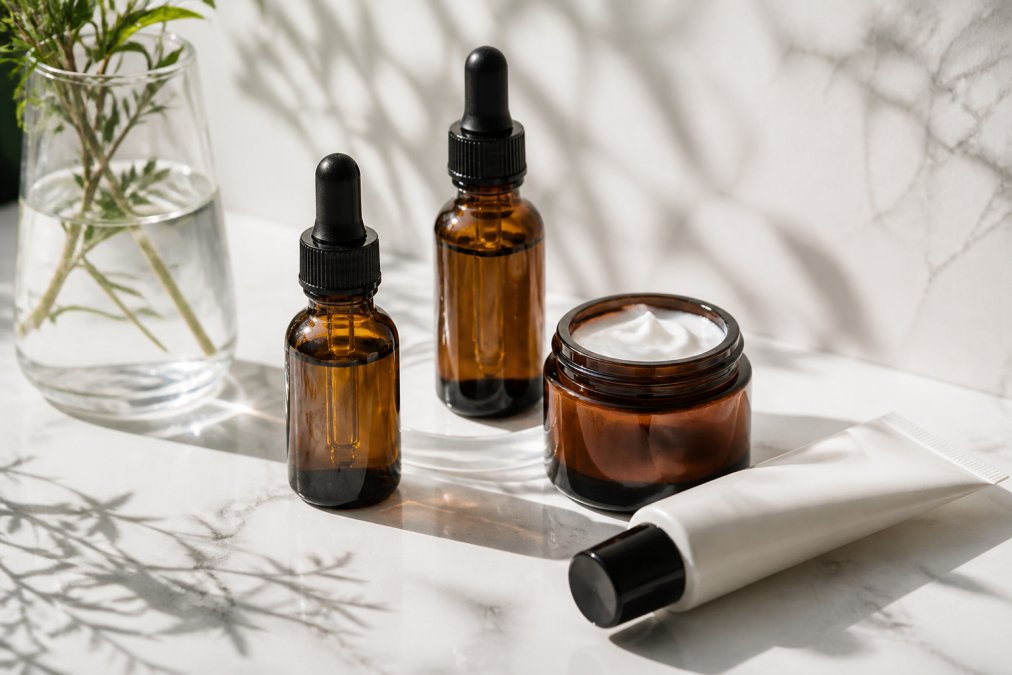
According to American Academy of Dermatology clinical guidance on anti-aging ingredients, the evidence base for certain topical treatments is substantially stronger than for others, and that evidence should guide product selection.
Retinol and Retinoids: The Gold Standard for Cell Turnover
Retinol is the most clinically validated topical treatment for aging skin available without a prescription. Retinoids work by binding to retinoid receptors in skin cells, accelerating cell turnover, stimulating collagen production, and reducing the appearance of fine lines and wrinkles over consistent use.
Over-the-counter retinol must be converted by the skin into retinoic acid before becoming active, which reduces both potency and irritation risk. Prescription tretinoin is already in active form, delivering faster results but with higher likelihood of sensitivity, redness, and peeling during adjustment.
For mature skin, starting at low concentration and building tolerance over several weeks is standard practice. Apply retinol at night on dry skin, always followed by moisturizer to reduce irritation.
A common mistake is applying retinol immediately after cleansing while skin is still damp. Damp skin increases absorption rate, raising irritation risk significantly. Wait five to ten minutes after washing before applying any retinoid product.
Vitamin C, Peptide Complexes, and Hyaluronic Acid
Vitamin C is a potent antioxidant that protects against photoaging, brightens uneven tone, and supports collagen synthesis. Its efficacy depends on formulation: L-ascorbic acid is most bioavailable but degrades rapidly when exposed to light and air. Stable formulations in opaque, airless packaging deliver meaningfully better results.
Peptide complexes signal the skin to produce more collagen and elastin. They don’t produce dramatic overnight changes, but consistent use over months measurably improves skin firmness and reduces fine line depth. For women whose skin has lost elasticity through hormonal aging, peptides are a valuable long-term addition.
Hyaluronic acid addresses epidermal hydration directly. A single molecule can hold many times its weight in water, plumping the skin and temporarily reducing fine line appearance. It’s one of the few ingredients delivering visible results quickly.
| Ingredient | Primary Benefit | Best Used | Key Consideration |
|---|---|---|---|
| Retinol / Tretinoin | Cell turnover, collagen stimulation | Evening, on dry skin | Start low, build tolerance |
| Vitamin C (L-ascorbic acid) | Antioxidant, brightening, collagen support | Morning, before SPF | Requires stable, opaque packaging |
| Peptide Complexes | Collagen and elastin signaling | Morning or evening | Long-term use for cumulative benefit |
| Hyaluronic Acid | Epidermal hydration, plumping | Morning and evening | Apply to damp skin for best absorption |
| Niacinamide | Barrier repair, hyperpigmentation | Morning or evening | Well-tolerated, pairs with most actives |
Prescription vs Over-the-Counter Skincare: What the Difference Means for You
The difference between prescription and over-the-counter skincare reflects a meaningful gap in ingredient concentration, delivery mechanism, and clinical evidence.
Over-the-counter products are regulated by the FDA as cosmetics, affecting only the skin’s surface. Prescription skincare is classified as a drug, formulated to produce physiological change in skin structure. Tretinoin, prescription-strength hydroquinone, and certain topical antibiotics fall into this category and require licensed provider oversight because their effects and risks, including irritation, photosensitivity, and systemic absorption, are real.
For most women beginning an anti-aging routine, a well-formulated over-the-counter regimen with pharmaceutical-grade ingredients is a strong starting point. Prescription options become relevant when over-the-counter products have been used consistently for three to six months without sufficient improvement, when hyperpigmentation is significant and resistant to topical antioxidants, or when a dermatologist identifies a specific condition requiring medical management.
According to FDA guidance on cosmetics versus drugs, the line between cosmetic and drug products is defined by intended use and claims made.
Buying prescription-strength retinoids or hydroquinone from unregulated online sources bypasses the safety oversight that makes those treatments effective and safe. Concentration, formulation, and storage conditions all matter. Consult a licensed provider before using prescription-grade topical treatments.
Building a Dermatologist-Recommended Anti-Aging Routine
A dermatologist-recommended anti-aging routine follows a logical structure: protect in the morning, repair at night.
Morning Routine: Gentle Cleanser, Antioxidant Serum, and SPF
A gentle cleanser removes overnight sebum without stripping the skin barrier. Mature skin is more prone to barrier disruption, so harsh sulfate-based cleansers are counterproductive. Look for pH-balanced, fragrance-free formulations.
After cleansing, apply an antioxidant serum, ideally vitamin C, before moisturizer to create a protective layer against free radical damage from UV and environmental exposure.
Sun protection is non-negotiable. Daily broad-spectrum SPF 30 or higher is the single most evidence-backed preventative care measure available. According to Skin Cancer Foundation guidance on daily SPF use, consistent daily sunscreen use measurably reduces signs of photoaging over time. Apply after moisturizer and reapply every two hours during sun exposure.
Evening Routine: Exfoliation, Topical Treatment, and Barrier Repair
Evening is when the skin’s natural repair processes are most active, making it the right time for active ingredients. Exfoliate two to three times per week using a chemical exfoliant such as a low-concentration AHA or a gentle physical option to clear dead skin cells and improve penetration of subsequent treatments.
Apply retinol or your prescribed retinoid after exfoliation nights, or on alternating evenings if skin is sensitive. Follow with a barrier-repair moisturizer containing ceramides, fatty acids, and cholesterol, the three components of the skin’s natural lipid barrier. Rebuilding the skin barrier is a clinical priority for hormonally aging skin.
The most effective anti-aging routine isn’t the most complex one. Consistency with a small number of evidence-based ingredients outperforms rotating through trendy products. Pick your actives, commit to them for at least 12 weeks, and evaluate results before changing anything.
Clinical Skincare for Aging Skin: When At-Home Products Aren’t Enough
Clinical skincare reaches its practical limit when structural changes in the dermis have advanced beyond what topical products can address. Collagen loss, significant laxity, and deep textural irregularities require intervention at a depth that no serum can reach.
How Clinical Treatments Support Collagen Production and Elasticity
Professional treatments including microneedling, radiofrequency-based modalities, and certain laser treatments work at the dermal level. They create controlled micro-injury or thermal stimulation that triggers the skin’s wound-healing response, producing new collagen and improving elasticity over a series of sessions.
Results are cumulative. Most women see meaningful improvement in skin texture, firmness, and fine line appearance after a course of treatments, with continued improvement over the months following as collagen synthesis completes. These produce structural change, not temporary fixes.
Addressing Hyperpigmentation, Age Spots, and Post-Surgical Skin
Hyperpigmentation and age spots are among the most common concerns for women over 40 and among the most resistant to over-the-counter treatment alone. Melanin deposits in the deeper epidermis require targeted clinical intervention, chemical peels, laser therapy, or prescription-grade topical treatments, to achieve lasting improvement.
Post-surgical skin presents its own challenges. Scarring from procedures like mastectomy, lumpectomy, or weight-loss surgery alters texture, pigmentation, and structural integrity in ways standard skincare cannot address. This is where paramedical artistry intersects with clinical skincare, offering restoration beyond topical treatment alone.
GloVolution’s approach to post-surgical skin combines clinical-grade skincare protocols with advanced paramedical techniques, including scar revision, camouflage, and 3D Hyperrealism Areola Restoration for breast cancer survivors. The goal is to restore skin integrity and help clients feel genuinely at home in their skin again.
The Psychological Impact of Skin Aging (And Why It Matters Clinically)
Skin aging is not purely aesthetic. The psychological impact of visible skin changes, reduced self-confidence, social withdrawal, and diminished sense of identity, is well-documented in dermatological literature and increasingly recognized as a clinical consideration.
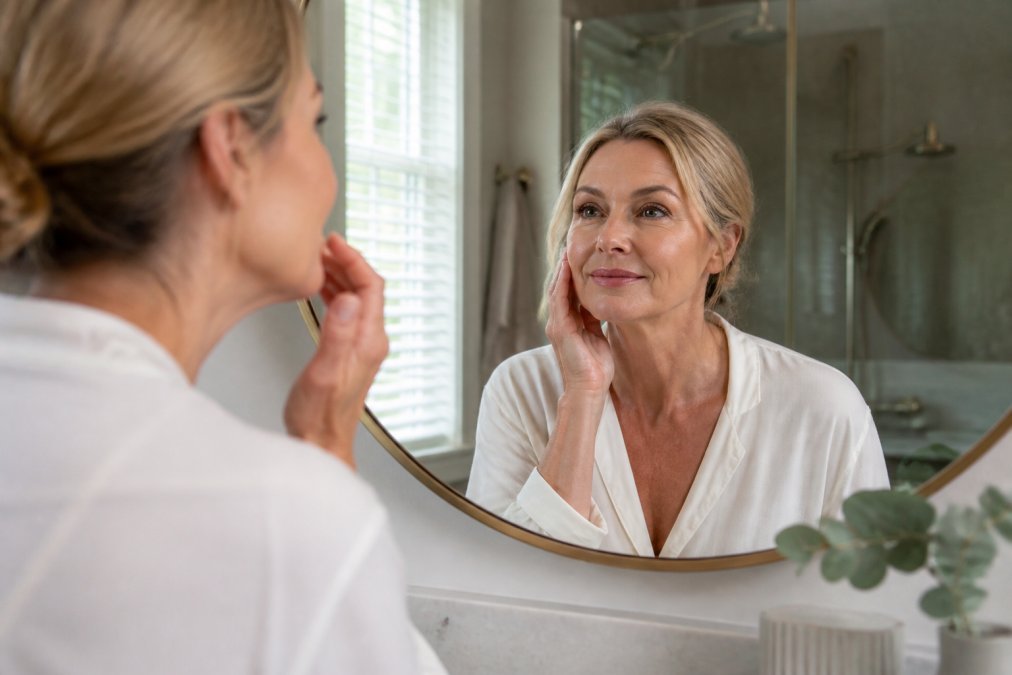
Many women describe hormonal skin aging as a loss of recognition, looking in the mirror and not quite seeing themselves. This is a genuine disruption to body image and self-concept affecting quality of life measurably. Research published through National Institutes of Health on psychosocial aspects of skin conditions supports the connection between skin appearance and psychological wellbeing, particularly in midlife women navigating multiple concurrent life changes.
Clinically, effective skin restoration is not a luxury. For women managing menopause, post-surgical recovery, or significant weight loss, restoring skin integrity has real implications for confidence, social engagement, and overall wellbeing.
The most effective clinical skincare programs acknowledge this. Treatment planning that accounts for the emotional dimensions of skin aging produces better outcomes.
Clinical Skincare and Cosmetic Procedures: How They Work Together
The most common mistake in aesthetic medicine is treating clinical skincare and cosmetic procedures as alternatives. They’re not. They work in sequence, and each makes the other more effective.
Cosmetic procedures produce structural changes that topical products cannot. But those results are significantly better maintained and often enhanced when paired with a rigorous clinical skincare routine. Retinoids and vitamin C used consistently before and after procedures improve healing, reduce post-inflammatory hyperpigmentation, and extend result longevity.
A well-designed clinical skincare routine can also prepare skin for procedures by improving barrier function, reducing baseline inflammation, and optimizing cell turnover. Providers combining evidence-based topical protocols with procedural expertise deliver outcomes neither approach achieves alone.
For women considering cosmetic procedures, starting with a clinical skincare foundation is not a delay. It’s preparation that makes the procedure more effective and recovery more predictable.
If you’re planning a cosmetic procedure, discuss your current skincare routine with your provider at least six to eight weeks in advance. Some actives, including retinoids and certain exfoliants, need to be paused before certain treatments to reduce complication risk.
Skin changes with age, with hormones, with surgery, and with life. The right clinical skincare approach meets you where your skin actually is. GloVolution specializes in personalized, strategy-based skin restoration that combines clinical-grade protocols with paramedical artistry, including advanced facial treatments, scar revision, and collagen-stimulating care designed for mature and post-surgical skin. If you’re ready to move beyond products that aren’t working and toward a plan built around your skin’s actual needs, book an appointment with GloVolution and start where the real work begins.
Frequently Asked Questions
How does clinical skincare differ from over-the-counter products?
Clinical skincare products, including pharmaceutical-grade formulations, contain higher concentrations of active ingredients such as retinol, vitamin C, and peptide complexes than drugstore alternatives. They are often developed with clinical efficacy data behind them and are dispensed through licensed professionals. Over-the-counter products are formulated to lower thresholds set by the FDA, which limits their active ingredient concentrations. The practical difference shows up in how quickly and consistently you see improvements in skin texture, fine lines, and hyperpigmentation.
What is the best medical-grade skincare routine for aging skin?
A dermatologist-recommended anti-aging routine for aging skin typically includes a gentle cleanser, a vitamin C antioxidant serum in the morning, broad-spectrum SPF 30 or higher, and a retinoid or retinol treatment at night paired with a barrier-repair moisturizer. Hyaluronic acid serums support epidermal hydration throughout the day. The specific products and concentrations should be chosen based on your skin sensitivity, hormonal history, and any existing conditions. A licensed esthetician or dermatologist can build a personalized protocol.
At what age should you start using clinical anti-aging products?
Preventative care with clinical skincare ingredients can begin in your late 20s to early 30s, primarily through antioxidants and consistent sun protection. For women navigating hormonal shifts after 40, the focus typically shifts toward collagen synthesis support, skin barrier repair, and addressing visible signs of aging like fine lines, wrinkles, and age spots. Starting earlier reduces the degree of correction needed later, but meaningful improvement is achievable at any age with a consistent, evidence-based approach.
Is prescription skincare better than over-the-counter for aging skin?
Prescription topical treatments, such as tretinoin, contain retinoid concentrations that over-the-counter products cannot match. They have decades of clinical efficacy data supporting their use for photoaging, fine lines, and skin texture. However, they also carry a higher risk of skin sensitivity and require a licensed provider's oversight. For many women, a combination of prescription retinoids and pharmaceutical-grade supporting products like hyaluronic acid and vitamin C serums produces the most consistent long-term results.
Can clinical skincare help with skin changes after menopause?
Yes. Menopause-related estrogen decline directly reduces collagen production and epidermal hydration, accelerating visible signs of aging. Clinical skincare for aging skin addresses these changes through ingredients that support collagen synthesis, restore dermal health, and reinforce the skin barrier. Topical treatments containing retinoids, peptide complexes, and hyaluronic acid are commonly used in this context. For more advanced concerns, professional treatments that stimulate collagen production can complement a home skincare routine.
How does clinical skincare work alongside cosmetic procedures?
Clinical skincare and in-office procedures work best as a coordinated plan rather than separate approaches. A well-maintained skin barrier and consistent topical treatment routine improve how skin responds to procedures and support recovery afterward. Conversely, procedures like microneedling or laser treatments can accelerate the collagen production that skincare products alone cannot achieve at the same depth. A licensed professional can assess which combination addresses your specific concerns, whether those involve photoaging, scarring, or post-surgical skin restoration.
This article was written using GrandRanker