
Table of Contents
- What Is Paramedical Artistry and How Does It Work
- How to Prepare for Paramedical Tattooing and What to Expect
- Scar Camouflage Tattooing and the Paramedical Tattoo Healing Process
- Choosing a Qualified Paramedical Artist and Next Steps
Last Updated: August 19, 2026
What Is Paramedical Artistry and How Does It Work
Paramedical artistry is a specialized form of micropigmentation using medical-grade pigments and precision techniques to camouflage scars, burns, stretch marks, and other skin imperfections. Unlike decorative tattooing, it blends clinical knowledge with artistic skill to restore skin appearance and help people feel at home in their bodies again.
The technique deposits pigment into the dermal layer, the same layer affected by scarring or discoloration. A certified paramedical artist analyzes your skin tone, scar texture, and surrounding tissue to match pigment color and density precisely. The goal isn’t to hide the scar completely; it’s to make it blend seamlessly so it becomes far less noticeable.
What sets this apart from regular tattoos is the depth, color theory, and medical understanding required. A paramedical artist must understand skin healing, scar maturation, pigment settling, and which conditions benefit from treatment. Paramedical artistry works well for post-surgical scars, burn scars, acne scarring, stretch mark camouflage, areola restoration after breast reconstruction, and hyperpigmentation or hypopigmentation issues.
The key difference between decorative and medical tattooing comes down to intent and precision. Decorative work prioritizes aesthetics and design; paramedical artistry prioritizes clinical outcomes and natural blending. If you’ve had a bad experience with permanent makeup elsewhere, paramedical artistry operates from an entirely different framework, one focused on restoration, not fashion.
How to Prepare for Paramedical Tattooing and What to Expect
Two weeks before your appointment, avoid blood-thinning medications like aspirin unless medically necessary, discuss with your doctor first. Stop using retinoids, vitamin C serums, and other active skincare ingredients about a week prior. Avoid sun exposure and don’t apply heavy moisturizers or oils the day of your appointment.
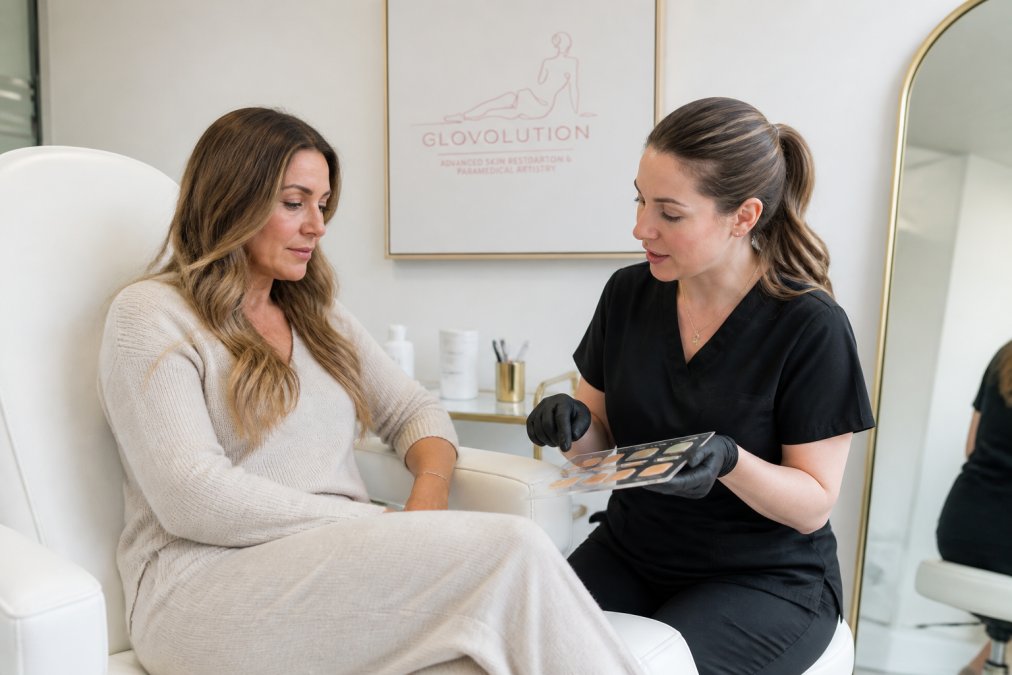
During consultation, the paramedical artist assesses your scar tissue texture, skin elasticity, and skin tone. They’ll discuss pigment options and show color samples. Be honest about expectations: complete scar vanishing isn’t realistic, but significant blending absolutely is.
The session typically lasts 2-4 hours depending on size and complexity. Most people describe the sensation as uncomfortable but manageable, similar to vibrating pressure rather than sharp pain.
After the session, your skin will be red and slightly swollen, this is normal. You’ll receive detailed aftercare instructions covering cleaning, moisturizing, sun protection, and activity restrictions. Most people return to light activities within 24-48 hours, though avoid swimming, intense exercise, and sun exposure for about two weeks.
Infection is rare with proper sterile protocols but is the biggest risk to watch for. Signs include increasing redness, warmth, pus, or swelling that worsens after day three. If you notice these, contact your artist or healthcare provider immediately. This is why choosing a certified paramedical artist in a clinical setting matters significantly.
Scar Camouflage Tattooing and the Paramedical Tattoo Healing Process
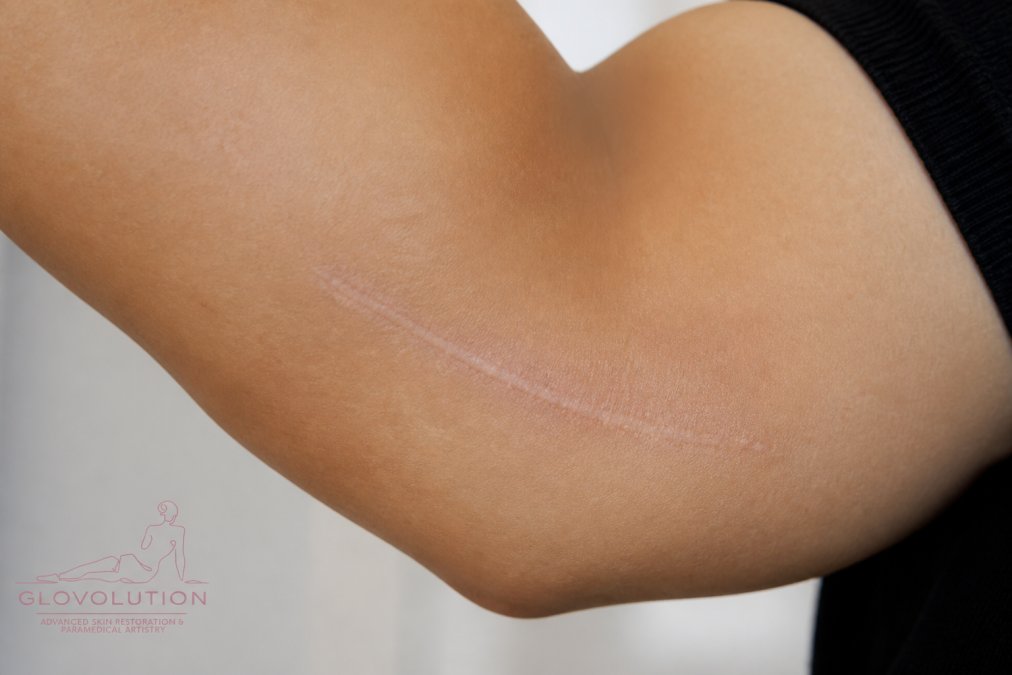
Scar Revision & Camouflage tattooing matches pigment to your skin tone and layers it strategically across scar tissue. The artist considers both the scar color and surrounding skin, depositing pigment to create visual continuity. For darker scars, slightly lighter pigment is used; for lighter scars, slightly darker pigment. The goal is equilibrium, making the scar fade into your skin rather than stand out.
The healing process differs from decorative tattooing because pigment sits at a different depth and blending is the goal, not vibrancy. Over the first 7-10 days, your skin sheds its top layer and pigment appears darker than the final result, this is normal. By week two, true color emerges. Full healing takes 4-6 weeks, though some clients see continued improvement over 8-12 weeks.
During healing, follow aftercare strictly: keep the area clean with gentle soap, apply recommended moisturizer, avoid picking or scratching, and protect from sun. Avoid swimming, saunas, and intense sweating for the first two weeks.
Pigment retention varies. Some clients see results lasting 3-5 years with minimal fading; others may need touch-ups sooner depending on skin type, sun exposure, and how their body metabolizes pigment.
The healing timeline determines when you’ll see true results. Many people judge their outcome at day five and panic because pigment looks too dark. By week three, that same result looks natural. Patience through healing is essential.
Choosing a Qualified Paramedical Artist and Next Steps
Not all tattoo artists are qualified for paramedical artistry. Look for someone with specific credentials: certification in paramedical tattooing (not just general tattoo training), training in color theory and skin tone matching, and ideally, background in healthcare or esthetics. Ask about their training program, hours invested, and continuing education.
Review before-and-after photos carefully. Do results look natural and blended, or like obvious tattoos? Request examples matching your specific concern and skin tone. A qualified artist should confidently show their work because results speak for themselves.
Ask about their process: How do they assess your skin? How do they choose pigment? What’s their touch-up approach? A professional paramedical artist will have clear answers and won’t pressure you into booking immediately.
| Consideration | What to Look For |
|---|---|
| Credentials | Certified paramedical tattoo artist with documented training |
| Experience | Minimum 2+ years specialized experience, not general tattooing |
| Portfolio | Before-and-afters on similar scars and skin tones |
| Consultation | Thorough assessment, honest expectations, no pressure |
| Sterile Environment | Clinical setting with proper infection control protocols |
| Aftercare Support | Clear instructions and follow-up availability |
Bring photos of your scar in different lighting to your consultation, discuss your concerns openly, and ask questions about timeline, touch-up frequency, and realistic outcomes. A qualified paramedical artist will listen more than they talk, because the best results come from understanding what matters most to you.
Choosing a paramedical artist is choosing someone who understands that your skin tells your story, and that restoring it is about reclaiming confidence in that story. The American Academy of Dermatology provides guidance on scar treatment options to help you understand how paramedical artistry fits within the broader landscape of scar management. When you’re ready to explore whether this approach is right for your situation, a consultation with a certified professional is the best next step.
Frequently Asked Questions
How is paramedical artistry different from regular decorative tattooing?
Paramedical artistry uses medical-grade pigments applied to the dermal layer to restore skin appearance after scarring, burns, or surgical procedures. Unlike decorative tattooing, which focuses on artistic design, paramedical work requires clinical precision, color theory knowledge, and understanding of scar tissue texture and skin tone matching. Artists must be trained in skin anatomy and work in sterile environments following medical safety protocols.
What conditions can be treated with scar camouflage tattooing?
Paramedical artistry can address surgical scars, burn scars, acne scars, stretch marks, hyperpigmentation, hypopigmentation, and areola restoration after breast surgery or reconstruction. The technique works by using corrective camouflage pigments to blend scar tissue with surrounding skin or recreate natural-looking details. A consultation with a qualified paramedical artist will determine if your specific condition is a good candidate for treatment.
How long does the paramedical tattoo healing process take?
Initial healing typically takes 7 to 14 days as the epidermis closes. However, scar tissue continues to mature for 6 to 12 months, and pigment settles fully during this time. Many clients return for touch-ups 4 to 8 weeks after the initial session to refine color and coverage. Long-term pigment retention depends on skin type, sun exposure, and aftercare, most results last several years before touch-ups are needed.
What should I do to prepare for a paramedical tattooing appointment?
Avoid blood-thinning medications and supplements for one week before your session. Skip alcohol and caffeine on the day of treatment, as they increase bleeding. Arrive with clean, makeup-free skin. Wear comfortable clothing that allows easy access to the treatment area. Discuss any medical conditions, skin sensitivities, or previous reactions to pigments during your consultation. Your artist will provide detailed pre-appointment instructions tailored to your specific treatment.
This article was written using GrandRanker