
Table of Contents
- What a Paramedical Tattoo Alternative for Restoration Actually Means
- 3D Areola Restoration Benefits and How They Compare to Other Options
- How to Find a Certified Paramedical Tattoo Artist
- Frequently Asked Questions
Last Updated: September 10, 2026
What a Paramedical Tattoo Alternative for Restoration Actually Means
A paramedical tattoo alternative for restoration is any treatment that rebuilds skin appearance, color, or texture without traditional tattoo pigment alone. If you’ve been hunting for a haloskinandscar alternative, you know the search gets muddy fast, every clinic claims artistry, few explain the trade-offs.
Here’s the honest version: restoration isn’t one procedure. It’s a plan built around your scar, your skin tone, and how much texture change you want.
| Approach | What It Changes | Best For | Honest Limitation |
|---|---|---|---|
| Paramedical tattoo | Color and tone | White or pale scars | Doesn’t change texture |
| Silicone gel | Flattening, fading | New surgical scars | Needs daily use for months |
| Laser resurfacing | Texture and depth | Pitted acne scars | Clinical visits, downtime |
| Collagen-stimulating treatments | Skin quality over time | Crepey, thinning skin | Results build gradually |
3D Areola Restoration Benefits and How They Compare to Other Options
3D areola restoration rebuilds the look of an areola after surgery using layered pigment and shading, so the result reads dimensional rather than flat. For breast cancer survivors, it’s often the last step in reconstruction.
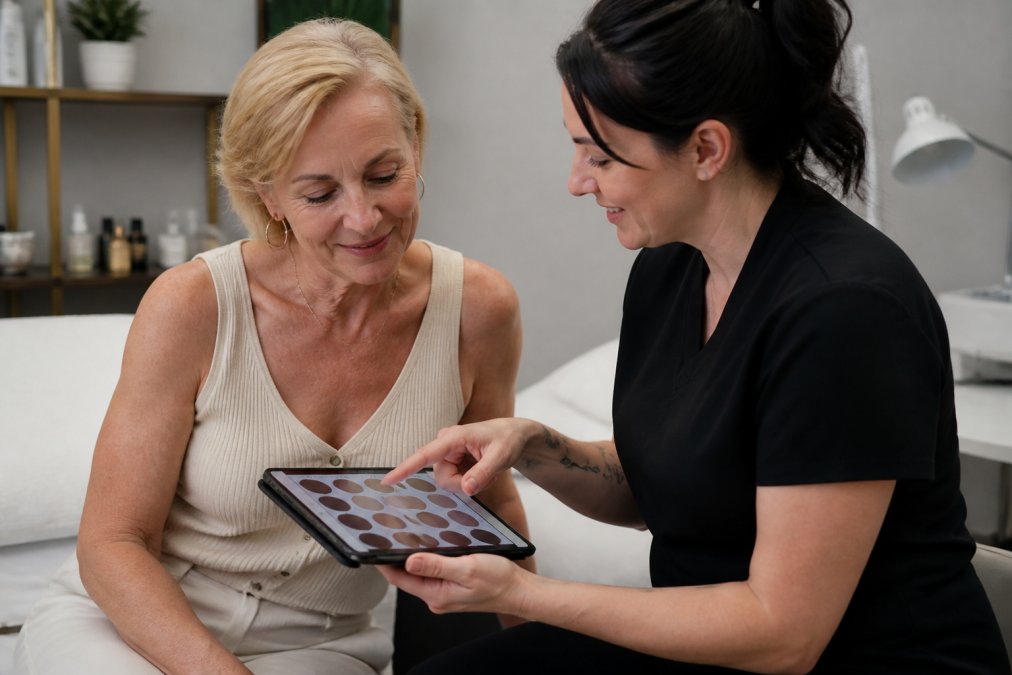
What most guides miss: the comparison isn’t tattoo versus laser, it’s which layer of skin you’re fixing. Laser works on texture, pigment on color, and medical-grade silicone sits in between, managing the scar over time.
Ask any provider one question: does this treatment change how my skin looks, how it feels, or both? The answer tells you whether it’s the right fit.
How to Find a Certified Paramedical Tattoo Artist
Finding a certified paramedical tattoo artist comes down to three checks: credentials you can verify, a portfolio of healed work, and a consultation with patch testing before any full session. Not glamorous, but it filters out most of the risk.
- Confirm state licensure and paramedical-specific certification
- Ask to see healed results at 6+ months, not fresh photos
- Request a patch test to check how your skin holds pigment
- Walk away if a provider promises guaranteed results or skips the consultation
The thing nobody tells you about scar camouflaging: compromised tissue takes pigment differently than healthy skin.
Paramedical tattoo aftercare matters as much as the session: keep the area clean, avoid sun while it heals, and follow your provider’s instructions exactly. Skipping aftercare is the fastest way to lose the color.
If you’re weighing options beyond pigment, it helps to know what else exists. Scar Revision & Camouflage covers both the texture and color side of things, and 3D Hyperrealism Areola Restoration is the more detailed, dimensional route for areola work specifically. Neither is a magic fix, but both are worth asking about at your consultation.
Frequently Asked Questions
What is the difference between cosmetic and paramedical tattooing?
Cosmetic tattooing focuses on enhancing features like brows, lips, or eyeliner for aesthetic reasons. Paramedical tattooing is restorative: it camouflages scars, stretch marks, surgical marks, or rebuilds an areola after breast surgery. The goal is to match your natural skin tone and texture, not to add makeup. A certified paramedical tattoo artist uses medical-grade pigments and works with compromised tissue, so training and hygiene standards differ from a standard cosmetic tattoo appointment.
How do I choose a qualified paramedical tattoo artist for scar camouflage?
Look for state licensure, paramedical tattoo certification, and specific training in scar camouflage or areola restoration. Ask to see healed before-and-afters, not just fresh work. A good artist will offer a consultation, review your scar type and skin tone, and explain pigment choices. In Florida, for example, tattoo artists must meet county health department requirements, so verify local credentials. GloVolution’s founder is a Florida licensed esthetician and certified paramedical tattoo artist with seven advanced certifications.
What should I expect during a paramedical tattoo consultation?
A consultation usually includes a skin assessment, discussion of your goals, and a review of your medical history. The artist will check how your scar or areola has healed, test pigment colors against your skin, and explain the number of sessions likely needed. You should leave with a clear plan, aftercare instructions, and realistic expectations. This is also the time to ask about contraindications, such as active infections or certain medications that affect healing.
Restoration isn’t about becoming someone new. It’s about recognizing yourself again. If you’re weighing a haloskinandscar alternative for restoration and want a plan built around your skin rather than a menu, GloVolution offers certified paramedical tattoo artistry, personalized treatment planning, and a focus on collagen stimulation over quick fixes. Book an appointment and let’s talk through what’s actually possible for you.