
Table of Contents
- What Lip Blushing Alternatives Actually Exist
- Lip Blushing Healing Process Timeline and What to Expect
- Benefits of Lip Neutralization vs. Other Enhancement Methods
- Choosing a Cosmetic Tattoo Artist You Can Actually Trust
Last Updated: August 26, 2026
What Lip Blushing Alternatives Actually Exist
Lip blushing isn’t the only way to enhance your lips, and it’s not always the right choice for everyone. If you’re exploring lip blushing alternatives, you’ve probably heard the pitch about semi-permanent color lasting for years. That’s true. But other approaches might fit your life, skin, or goals better.
Some people want permanence. Others want flexibility. Some need to correct uneven pigmentation or loss of definition from aging.
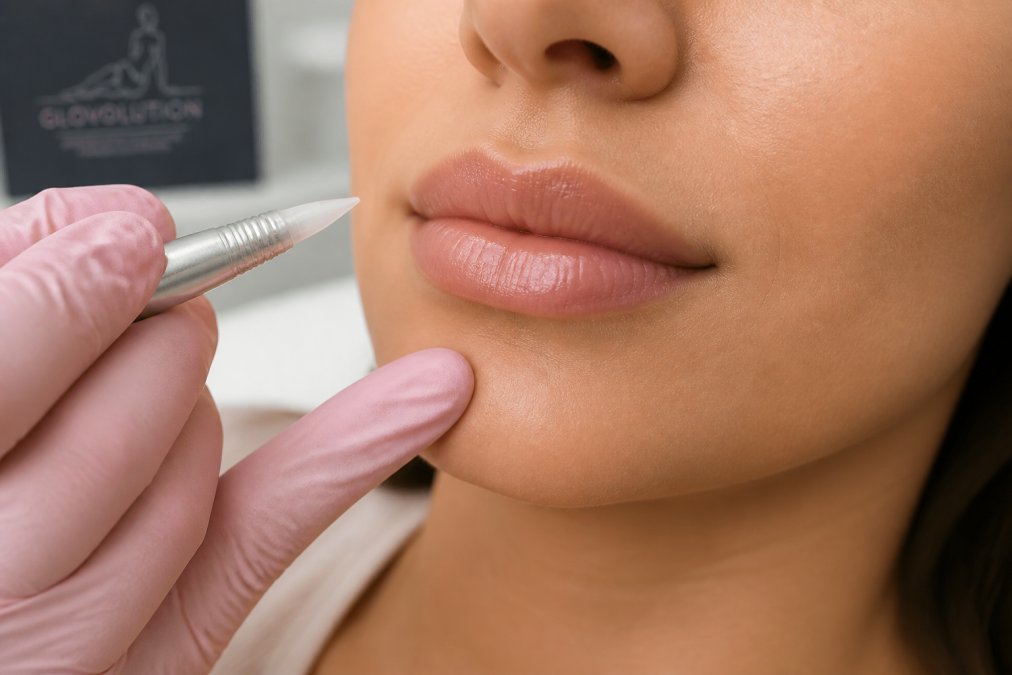
Permanent Lip Tattoo delivers a bolder, more defined look than lip blushing. Where lip blushing creates a soft stain, a permanent tattoo implants pigment deeper, resulting in a more solid color that resembles wearing lipstick. Results last longer, but the appearance can feel less natural depending on the artist and your skin tone.
Hyaluronic Acid Fillers (like Juvederm or Restylane) add volume and hydration without changing color. You get plumper lips immediately, but results fade in three to twelve months (the FDA). If you want lip enhancement without committing to anything permanent, this is the path.
Fat Transfer is the surgical option. Your own fat is harvested, processed, and injected into your lips for a natural feel and longer-lasting volume. It’s more invasive than fillers or tattooing, but uses your own tissue, eliminating allergic reactions.
Each option solves a different problem.
Lip Blushing Healing Process Timeline and What to Expect
The healing timeline for lip blushing matters more than most people realize. You can’t just walk out looking normal.
Expect swelling and tenderness for the first few days. Your lips will look darker and more saturated than the final result as the pigment oxidizes during healing. Most people experience the worst swelling on days one and two. Full healing takes about two to four weeks, but color continues to settle for up to six weeks (peer-reviewed research). This is why touch-ups exist, after you see how the color truly settles on your skin, you might want adjustments.
If you choose fillers instead, there’s minimal downtime. You might have slight swelling or bruising, but many people return to their routine the same day. The trade-off: no healing period means no permanence. You’re back in three to twelve months for another round.
If you can’t handle looking noticeably different for a few weeks, or if you’re not ready for the touch-up process that keeps semi-permanent results looking fresh, fillers might be the smarter choice for your lifestyle.
Benefits of Lip Neutralization vs. Other Enhancement Methods
Lip neutralization is a specific technique within lip blushing that addresses a real problem: dark or hyperpigmented lips. If your lips are naturally darker or have uneven pigmentation, straight color enhancement won’t fix it, it’ll just add more pigment on top of the problem.
Neutralization works by using corrective pigments, usually in peachy, salmon, or nude tones, to counteract the darkness underneath. If your lips are too red, you add green-toned pigment to balance it. If they’re too blue or purple, you add warm, peachy tones. The result is a more even, natural-looking lip color that matches your skin tone instead of fighting against it.
Fillers don’t address pigmentation at all; they just add volume. Fat transfer adds volume but doesn’t correct color. A permanent tattoo can deliver bold color, but it won’t neutralize existing darkness the way a skilled artist using corrective pigmentation can.
When your lip color matches your undertone instead of clashing with it, your entire face looks more harmonious. Neutralization requires a skilled artist who understands color theory and how pigments behave on different skin tones.
Choosing a Cosmetic Tattoo Artist You Can Actually Trust
This determines whether you end up with something you love or something you regret.
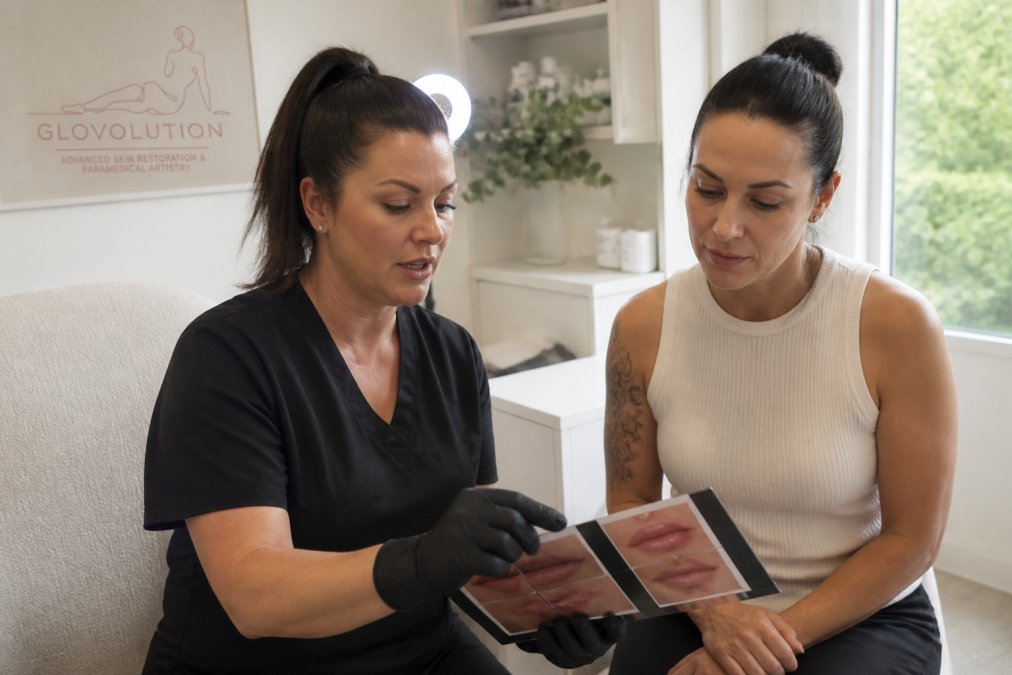
First: credentials matter. Look for someone who is licensed and specifically certified in paramedical tattooing (the FDA). General tattoo artists are not the same as cosmetic tattoo artists. The techniques, pigment knowledge, and precision requirements are completely different.
Second: look at their actual work. Ask for before-and-afters from real clients with similar skin tones to yours. Lip blushing looks different on cool undertones versus warm undertones, on pale skin versus deep skin.
Third: ask about their process for touch-ups and corrections. If the first session doesn’t turn out as hoped, what happens next? A good artist builds in a perfecting session and stands behind their work.
Fourth: trust your gut about the consultation. Do they listen to what you want, or push you toward what they think you should have? You’re trusting someone to permanently alter your face.
The artist you choose determines whether lip blushing alternatives even matter. A bad artist can make any procedure look wrong. A skilled artist can make semi-permanent enhancement look natural and age-appropriate.
Choosing between lip blushing and its alternatives comes down to what you actually need: permanence or flexibility, volume or color, natural enhancement or bold definition. GloVolution specializes in customized lip blushing with a focus on skin health and natural-looking results, offering personalized treatment planning and certified paramedical artistry. If you’re ready to explore what works for your specific lips and skin, Book An Appointment to discuss which approach aligns with your goals.
=== FAQ ANSWERS (audit these too, same rules) ===
[1] Q: What are the main alternatives to lip blushing?
A: Your options include hyaluronic acid fillers (like Juvederm or Restylane) for temporary volume, permanent lip tattoos for a bolder, longer-lasting color, fat transfer for natural-feeling augmentation using your own tissue, and lip neutralization to correct uneven pigmentation. Each has different longevity, maintenance requirements, and results. Fillers typically last 3-12 months; lip blushing and permanent tattoos can last for years; fat transfer can be longer-lasting but is more invasive. Your choice depends on whether you want volume, color correction, or permanent definition.
[2] Q: How long does the lip blushing healing process timeline take?
A: Lip blushing typically heals over 7-10 days, though full color stabilization takes 4-6 weeks. You’ll see swelling and tenderness for the first 2-3 days, followed by scabbing and flaking. During healing, avoid hot water, intense exercise, and direct sun exposure. The pigment will appear darker initially and soften as it settles. A touch-up session is often scheduled 4-6 weeks after the initial procedure to refine color and shape. Complete healing and final results are visible after 6-8 weeks.
[3] Q: What are the benefits of lip neutralization compared to other methods?
A: Lip neutralization uses cosmetic tattooing to even out dark spots, hyperpigmentation, or uneven lip color, something fillers and fat transfer cannot address. It’s semi-permanent, lasting for years, so you avoid the recurring appointments of fillers. Unlike permanent lip tattoos, neutralization creates a softer, more natural-looking result with customizable color. It also requires minimal downtime and works well for those with hormonal pigmentation changes or previous permanent makeup that came out too dark.
Frequently Asked Questions
Q: What are the main alternatives to lip blushing?
A: Your options include hyaluronic acid fillers (like Juvederm or Restylane) for temporary volume, permanent lip tattoos for a bolder, longer-lasting color, fat transfer for natural-feeling augmentation using your own tissue, and lip neutralization to correct uneven pigmentation. Each has different longevity, maintenance requirements, and results. Fillers typically last 3-12 months; lip blushing and permanent tattoos can last for years; fat transfer can be longer-lasting but is more invasive. Your choice depends on whether you want volume, color correction, or permanent definition.
Q: How long does the lip blushing healing process timeline take?
A: Lip blushing typically heals over 7-10 days, though full color stabilization takes 4-6 weeks. You'll see swelling and tenderness for the first 2-3 days, followed by scabbing and flaking. During healing, avoid hot water, intense exercise, and direct sun exposure. The pigment will appear darker initially and soften as it settles. A touch-up session is often scheduled 4-6 weeks after the initial procedure to refine color and shape. Complete healing and final results are visible after 6-8 weeks.
Q: What are the benefits of lip neutralization compared to other methods?
A: Lip neutralization uses cosmetic tattooing to even out dark spots, hyperpigmentation, or uneven lip color, something fillers and fat transfer cannot address. It's semi-permanent, lasting for years, so you avoid the recurring appointments of fillers. Unlike permanent lip tattoos, neutralization creates a softer, more natural-looking result with customizable color. It also requires minimal downtime and works well for those with hormonal pigmentation changes or previous permanent makeup that came out too dark.
This article was written using GrandRanker